.png)
The New Era of Creator Marketing in CPG
For years, the scorecard for creator marketing in CPG looked the same no matter the brand or the budget: did the creator post, did the content look good, did engagement climb. Those were reasonable questions for a channel that was still proving itself. The question CPG marketers are being asked today is a different one. Did it move product. That shift, from measuring content to measuring outcomes, is reshaping what creator marketing means for CPG brands, and it is worth understanding exactly what changed and why.
The Old Scorecard: Content, Reach, and a Leap of Faith
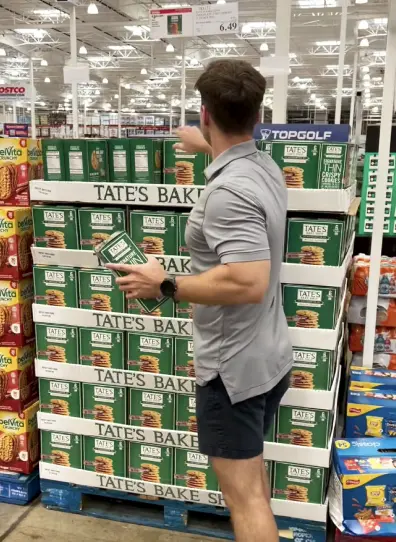
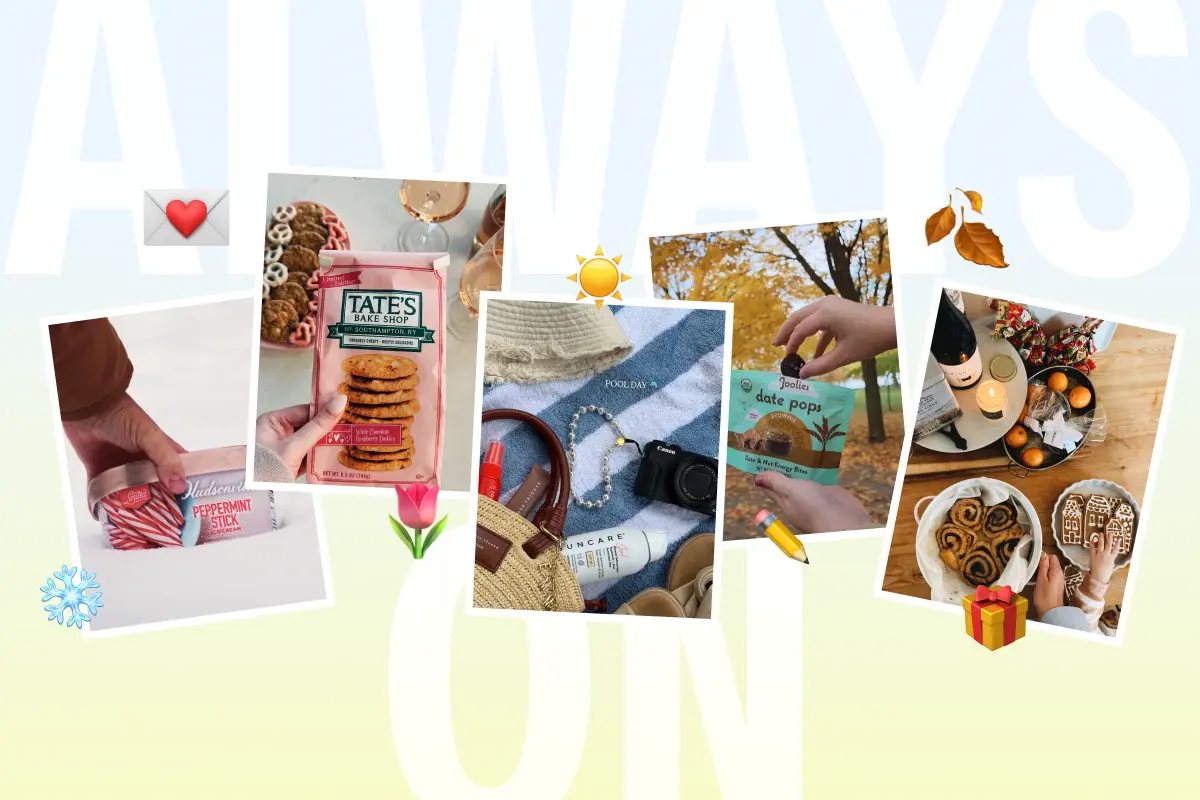
For most of the last decade, creator marketing in CPG ran on faith. Informed faith, built on real engagement and real content, but faith nonetheless. Brands built creator programs, watched engagement climb, and felt their product gaining traction in local markets. Impressions and content deliverables were the currency of the channel, for good reason: reach and authentic content are still the foundation of word-of-mouth marketing.
The problem was never that the marketing didn't work. Brands running creator programs could feel it working in their communities and see it in the content their creators produced. The problem was that feeling was hard to bring into a room. A marketing director could say, with real conviction, that creator content was driving local buzz for their product. What they couldn't say was whether that buzz turned into someone actually buying it off a shelf at Target.
That gap, between what brands believed and what brands could prove, is the gap the industry has needed to close for a long time.
The Shift: From “Did They Post” to “Did It Move”
The question CPG marketers are answering today looks different, and so does the evidence they're bringing to answer it. Here's what's changed in practice:
- From views to verified purchases. An impression used to be the ceiling of what a brand could measure. Now, a receipt-verified in-store purchase can be the proof point instead.
- From content deliverables to redemption data. Content is still the foundation of the channel, but redemption data tells brands whether that content actually translated into someone trying the product.
- From individual creator scorecards to collective community impact. Instead of tracking which single creator drove the most sales, brands can see the total lift their community created, a more accurate picture of how word-of-mouth actually spreads.
- From estimated lift to receipt-verified proof. Rather than modeling what creator marketing probably did, brands can see what it verifiably did, purchase by purchase.
This shift doesn't mean creator campaigns changed or that the content brands have built for years suddenly matters less. It means the infrastructure underneath creator marketing finally caught up to what brands already believed. The proof was always missing, not the impact.
What Closed the Gap: The Retail Affiliate Layer CPG Never Had
.png)
E-commerce has had an answer to this problem for almost three decades. Amazon Associates launched in 1996, and in the years since, affiliate marketing has grown into a $22–25 billion global industry, built entirely around one mechanic: a creator shares a link, someone clicks, someone buys, and the creator gets paid.
Retail never had an equivalent, despite the fact that 84–85% of U.S. retail sales still happen in physical stores. A creator recommending a favorite snack or beverage at Target could genuinely drive purchases in their community, but there was no way to connect that recommendation to the receipt. No link to click, no purchase to track, no attribution.
Hummingbirds Offers was built to close that gap. Brands create Offers tied to specific products at the retailers where they actually sell, places like Target, Walmart, Whole Foods Market, Costco, and Sprouts. Shoppers discover Offers personalized to their taste and shopping habits, try the product, upload a receipt, and earn real cash back. Every purchase is receipt-verified, which means brands finally have the velocity data their teams need to keep investing confidently in word-of-mouth.
Campaigns + Offers: Content and Proof, Working Together
None of this replaces creator campaigns. It builds on them. Creator campaigns are still how brands generate the shelf-level content and local buzz that retail buyers want to see. Offers adds the layer campaigns could never provide on their own: verified proof that the buzz turned into a purchase.
Run standalone, Offers works as a pure velocity play, a way to drive and verify in-store trial at the retailers that matter most, with no creator content required. Layered onto an existing creator campaign, Offers gives that same content another job to do. A creator can share their content and a unique Offer link in the same story, DM, or post, giving their audience a direct path from seeing the content, to trying the product, to earning cash back once the purchase is verified.
One platform, one dashboard, one story: from content to conversion.
.png)
.png)
.png)
What the Shift Means for Your Team
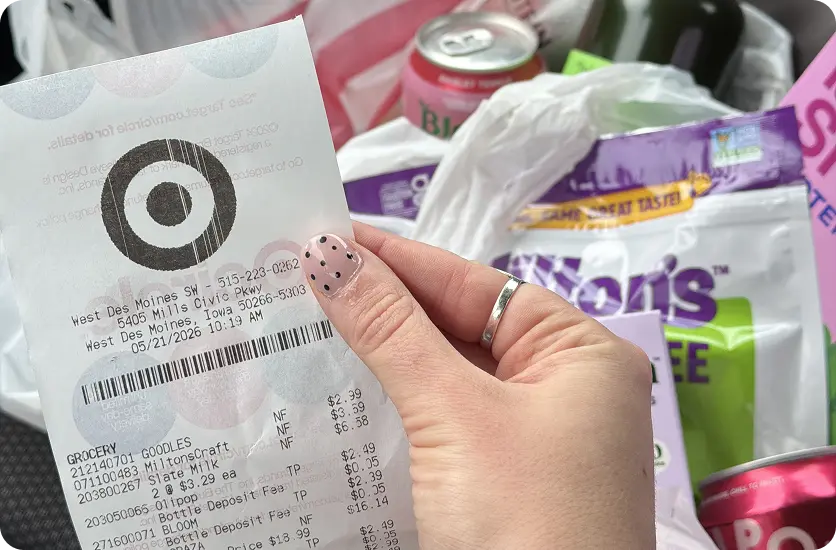
For CPG marketing teams, this shift changes what a creator marketing conversation can include. Instead of describing what a program probably did, teams can show what it verifiably did, tied to specific products, specific retailers, and specific time windows. That's not about justifying a budget that already exists. It's simply the data teams need to keep investing confidently in word-of-mouth.
Slate Milk, one of Hummingbirds' early Offers beta partners, put it well:
That kind of proof is exactly what the shift from campaigns to outcomes is about. Creator marketing still starts with genuine advocacy and real community trust, the same qualities that have always made word-of-mouth valuable. What's new is the ability to follow that advocacy all the way to the shelf, and know, not estimate, what it did once it got there.
What's Next
This is still early. Offers is live across five retailers, with more brands and more markets rolling out as the community grows.
For now, here's what's true: the era of creator marketing measured only in impressions is giving way to one measured in outcomes, and CPG brands finally have a way to prove which one they're running.
If you're curious how this could fit into your brand's creator program, we'd love to talk through what verified purchases could look like for you.
.png)