%20(1).png)
If you've been watching how the most talked-about CPG brands show up in retail lately, you've probably noticed something: it doesn't look like traditional advertising. There's no billboard outside the store. No glossy national campaign. There's just a real person (someone who lives near that Sprouts, shops that Target, loves that product) posting about it in the most natural, uncontrived way possible.
That's a creator retail activation. And for brands trying to build genuine shelf presence in an era where shoppers trust people more than they trust ads, it may be the most important marketing strategy you haven't fully unlocked yet.
This guide breaks down exactly what creator retail activations are, why they work, how the best CPG brands are using them, and what to look for when you're ready to run one.
What Is a Creator Retail Activation?
.jpeg)
A creator retail activation is a marketing strategy in which everyday creators, real people with authentic communities and not necessarily massive follower counts, are engaged to create content around a brand's product specifically in the context of retail: the store, the aisle, the shopping trip, the shelf moment.
The key word is retail. This is what separates creator retail activations from standard influencer campaigns or general UGC programs. The content isn't just lifestyle photography of a product on a kitchen counter. It's someone pushing a cart through Whole Foods and grabbing your oat milk. It's a Costco haul video where your protein bars are the reason someone made the trip. It's the kind of content that builds familiarity before a shopper ever reaches the shelf, so that when they do, your product already feels known.
Creator retail activations can range from a single campaign supporting a new SKU launch to an always-on content strategy that spans multiple retailers, seasons, and markets throughout the year.
Why Creator Retail Activations Work: The Recognition Gap
Most CPG brands understand that getting onto shelves is only half the battle. The harder half is getting shoppers to reach for your product instead of the one next to it.
Here's the dynamic that makes creator retail activations so effective: shoppers don't walk into a store hoping to be surprised. They reach for what already feels familiar. Recognition drives trial, and trial drives velocity.
The challenge is that traditional marketing creates familiarity at a national level but not necessarily at the local level, in the specific stores, cities, and communities where your product actually needs to move. A national campaign might build general brand awareness, but it doesn't make a shopper in Austin feel like the person at their local H-E-B already loves your product.
Everyday creators solve that gap. When someone in your target market sees a creator they follow, someone who shops at the same stores, lives in the same neighborhood, has the same taste, holding up your product and saying "this is worth trying," that's not advertising. That's a recommendation. And recommendations move product in a way that impressions alone simply don't.
This is why brands that commit to creator retail activations consistently outperform those relying on reach and engagement metrics alone. The IRL moment, the shelf moment, is where purchase decisions are actually made. Creator content that lives and breathes in that context is the most direct path to building the kind of familiarity that translates into velocity.
The Elements of a Creator Retail Activation
Not all creator activations are built the same way. A well-structured creator retail activation typically involves several core components working together.
Local creator matching. The most effective creator retail activations match creators to specific retail locations and geographies. A creator who shops at Costco in Atlanta is infinitely more credible talking about your product at that Costco than a creator in Los Angeles doing a generic unboxing. Geographic matching is what turns a content campaign into genuine community influence.
Retail-specific content briefs. Creators are briefed to produce content that shows the product in a real retail context: the shopping trip, the aisle, the cart. This isn't about scripted posts or forced brand language. The best briefs give creators enough direction to stay on message while leaving plenty of room for the authentic voice that makes the content trustworthy in the first place.
Multi-format content output. A single creator retail activation typically generates a range of content: in-store video, haul-style Reels, Story content, static photography. The most valuable assets aren't just the posts themselves. They're the raw content that brands can repurpose across social channels, paid ads, retail buyer presentations, and email marketing.
Retailer alignment. Strong creator retail activations are built around the specific retailers where the brand is distributed. If your product is launching in Target, creators should be shopping at Target. If you're expanding into regional grocery, your creator strategy should reflect those ZIP codes. The goal is to show up in the places where your product actually lives, not just in aspirational lifestyle content.
Performance measurement. This is where many brands get stuck. The traditional metrics for creator campaigns (reach, impressions, engagement) don't tell you whether the campaign actually moved product. The most sophisticated CPG teams are increasingly looking for frameworks that connect creator content to real in-store outcomes, not just social performance.
Always-On vs. One-and-Done: Why Consistency Wins
One of the most common mistakes CPG brands make with creator retail activations is treating them like one-time events: a burst of activity around a launch, then silence.
The brands getting the most out of creator retail activations have figured out that the real value compounds over time. When creators show up consistently in the stores where your product lives, across seasons and moments, two things happen: shoppers encounter your product in creator content repeatedly before they reach the shelf, and the brand builds a catalog of authentic content that keeps working long after the campaign ends.
Think about what it looks like for a shopper to see your product in a Reels video in June, then again in a Whole Foods haul video in August, then walk past your shelf in November and already feel like they know it. That recognition didn't come from one campaign. It came from consistent, seasonal, always-on creator presence that made the product feel familiar before the aisle.
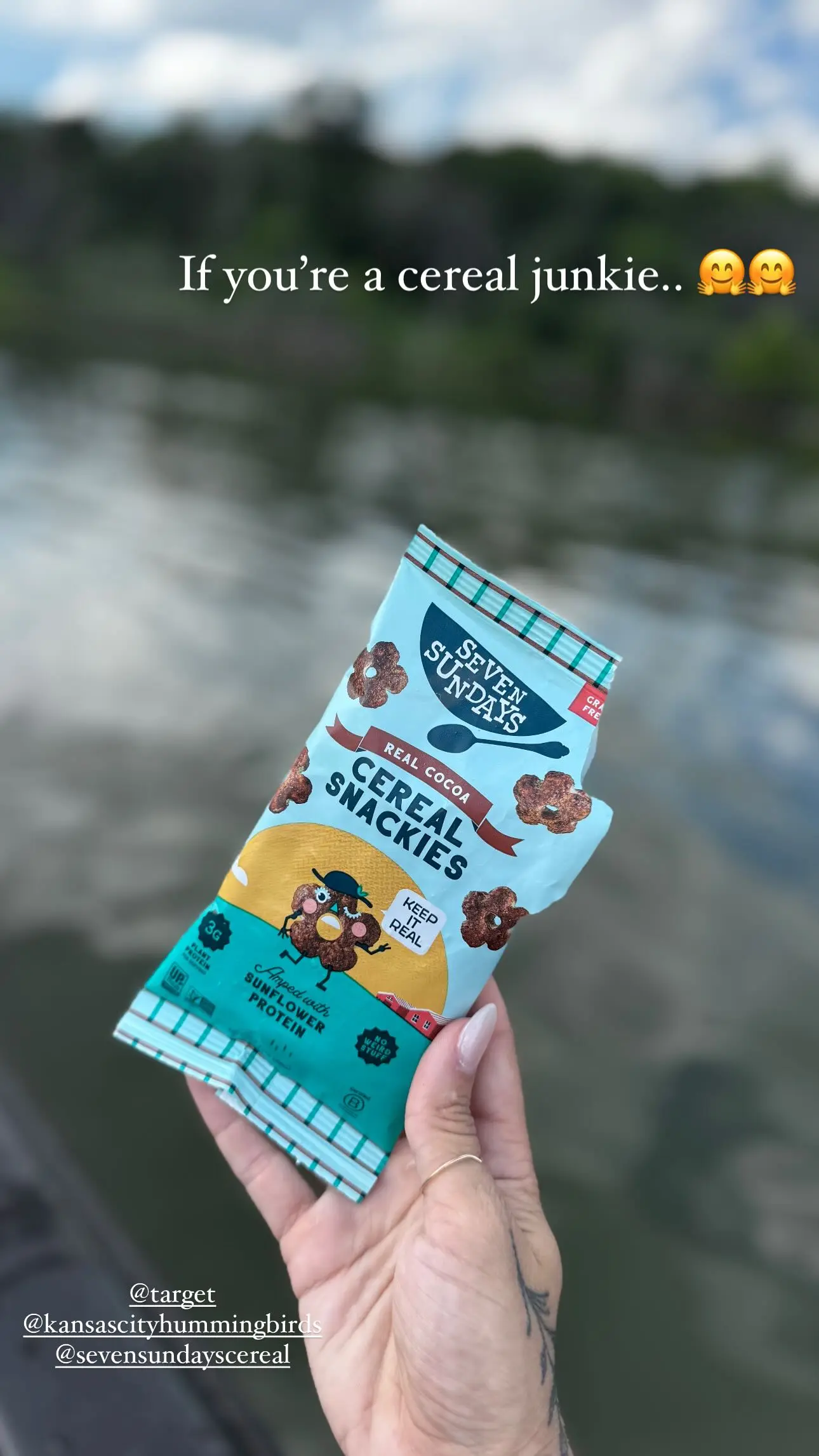
Seven Sundays is a brand that does this exceptionally well. Rather than treating retail moments as isolated campaign bursts, they've built an always-on creator presence that shows up consistently across the retailers where their products live, letting everyday creators do the work of making the brand feel familiar before the shelf. The result is a brand that feels present and trusted in the communities where it's sold, not just visible during a launch window. See how Seven Sundays activates with everyday creators →
The practical implication: if you're planning creator retail activations, plan for continuity. A yearly always-on strategy with everyday creators will outperform three separate one-off campaigns targeting the same audience.
What Types of Moments Work Best for Creator Retail Activations
Creator retail activations aren't a one-size-fits-all strategy. They're especially powerful at certain key moments in a brand's retail journey.
New retail launches. When you're landing on shelves at a new retailer, whether that's a regional chain or a national player like Target, creator retail activations build the local buzz that makes the launch land. Shoppers in the markets where you're launching see creators they trust talking about your product at that exact retailer, which drives trial during the critical velocity window when buyers are watching.
Seasonal and promotional moments. Back to school, summer, holiday, New Year: these are windows when shoppers are actively building new routines and are more open to trying something new. Creator content that connects your product to a seasonal moment makes it feel timely and relevant, not just available.
New SKU introductions. Expanding your line within an existing retail account is a high-stakes moment. Creator activations that show early adopters already embracing the new SKU give retail buyers confidence and give shoppers the social proof they need to take a chance on something new.
Geographic expansion. When you're growing beyond your home market and entering new regions, creator retail activations are one of the most efficient ways to build local familiarity fast. You don't have to wait for organic word of mouth to develop — you can activate a community of local creators who already shop those stores and let them do the introduction for you.
Sustained shelf presence. For brands with established retail distribution, creator retail activations serve as an ongoing engine for awareness and trial that keeps your product front-of-mind across the communities where it's sold. The shelf doesn't go quiet between campaigns if your creator strategy is always on.
What Makes a Great Creator Retail Activation Partner
If you're evaluating platforms or agencies to run creator retail activations, there are a few things worth looking for beyond the basics.
Geographic precision. Can they match creators to the specific retailers and ZIP codes where your product is distributed? "National reach" is table stakes. The question is whether they can execute locally, in the cities, stores, and communities that actually matter for your velocity goals.
Creator authenticity. The most effective creator retail activations use everyday creators: real people with trusted communities, not polished influencers who feel like walking advertisements. Look for platforms or partners that vet for genuine shopping behavior and authentic voice, not just follower count.
Content scalability. Can they generate significant content volume across markets without sacrificing quality or brand consistency? The brands seeing the best results aren't running campaigns with three creators. They're running campaigns with dozens of creators across multiple markets, generating hundreds of content assets that they then use across channels.
Retail-native experience. There's a meaningful difference between a general UGC platform and a partner that has been built specifically for retail activation. Retail-native platforms understand the nuances of working around specific retailers, managing geographic coverage, and generating content that reflects the actual in-store experience.
Always-on infrastructure. If the partner or platform is only set up for campaign-based activation, a burst here and a burst there, they may not be the right fit for an always-on strategy. Look for the ability to sustain consistent creator presence throughout the year, not just during launch windows.
Common Mistakes to Avoid
Even brands that understand the value of creator retail activations sometimes undermine their own results. A few patterns worth watching out for.
Treating creators like production vendors. The value of everyday creators is their authenticity. When brands over-brief, over-script, or require overly polished content, they drain exactly the trust that makes creator content work. Give creators creative latitude within a clear direction.
Optimizing for social metrics instead of retail outcomes. Impressions and engagement are useful for benchmarking, but they're not the same as shelf impact. The goal of a creator retail activation isn't to go viral. It's to build the kind of familiarity that converts when a shopper is standing in front of your product in the aisle.
Ignoring geographic relevance. A creator with 200,000 followers who doesn't shop your retailer in your markets is less valuable for a retail activation than a creator with 5,000 followers who shops there every week. Local relevance is the multiplier.
Running one campaign and calling it done. As covered above, the value compounds with consistency. One activation will get you some content and some awareness. An always-on strategy builds the brand familiarity that drives sustained velocity.
What to Expect From a Well-Run Creator Retail Activation
When a creator retail activation is executed well, the results show up in a few different places.
You'll get a library of authentic, retail-native content that shows your product in real shopping contexts and that you can use on your own channels, in paid ads, and in buyer presentations. You'll get localized buzz in the markets where your product lives, with creators who are embedded in those communities and trusted by the shoppers who walk those aisles. And over time, you'll start to see the compounding effect of consistent creator presence: a brand that feels familiar across retail environments, one that shoppers reach for because it already feels known.
For CPG brands navigating the challenge of standing out in a crowded retail environment, creator retail activations aren't a nice-to-have. They're increasingly the strategy that separates brands building genuine shelf momentum from brands waiting to be discovered.
Ready to Explore Creator Retail Activations for Your Brand?
Hummingbirds helps CPG brands run always-on creator retail activations across the retailers where their products actually live. With creators embedded in communities across the country, matched to specific retailers, SKUs, and geographies, we help brands build the kind of IRL familiarity that drives trial and keeps products moving off shelves.
Frequently Asked Questions
What is a creator retail activation?
A creator retail activation is a marketing strategy where everyday creators, real shoppers with authentic communities, create content about a brand's product specifically in a retail context: the store, the aisle, the shopping trip. Unlike standard influencer campaigns focused on lifestyle content, creator retail activations are built around real in-store moments at the specific retailers where your product is sold. The goal is to build familiarity and recognition with shoppers before they reach the shelf, so that when they do, your product already feels known.
How is a creator retail activation different from influencer marketing?
Traditional influencer marketing focuses on reach, follower counts, and polished content. Creator retail activations prioritize geographic relevance, retail context, and genuine trust. The creators involved aren't famous. They're real people who already shop at your target retailer, live in your key markets, and influence purchase decisions in their communities. That authenticity is what makes the content feel like a recommendation rather than an ad, and what drives real behavior at the shelf.
What types of brands benefit most from creator retail activations?
CPG brands in physical retail are the clearest fit, particularly those launching in new retailers, entering new markets, or supporting new SKUs. The strategy is especially powerful for growth-stage brands that need to build local familiarity fast and can't rely on years of brand recognition to do the work for them. It also works well for established brands maintaining always-on shelf presence across a distributed retail footprint.
How should CPG brands choose which markets to activate creators in?
Start with the markets where you're most likely to move velocity early. Look for cities and ZIP codes where your target shopper is concentrated, where the retailer performs well, and where you already have some brand awareness to build on. Hyperlocal activation in a focused set of markets consistently outperforms a diffuse national approach, and it lets you build real community momentum in the places that matter most before expanding.
Should creator retail activations be ongoing or just for launches?
The brands that see the strongest results treat creator retail activation as an always-on discipline, not a one-time launch sprint. Every activation builds on the one before it, compounding the familiarity that makes shoppers more likely to pick up the product next time they see it. Launch is a natural starting point, but sustained presence across seasons and moments is what creates lasting shelf momentum. Think of it less like a campaign and more like a content channel that runs alongside your retail presence.
What should I look for in a creator retail activation partner?
The most important things to evaluate are geographic precision (can they match creators to your specific retailers and markets?), creator authenticity (are these real shoppers or polished influencers?), content scalability (can they generate meaningful volume across markets?), and always-on infrastructure (are they built for sustained activation or just one-off campaigns?). A retail-native platform will understand the nuances of in-store context and retailer alignment in a way that general UGC tools simply don't.
Learn more, grow faster
Content designed to help brands understand what
actually works at retail.
.png)