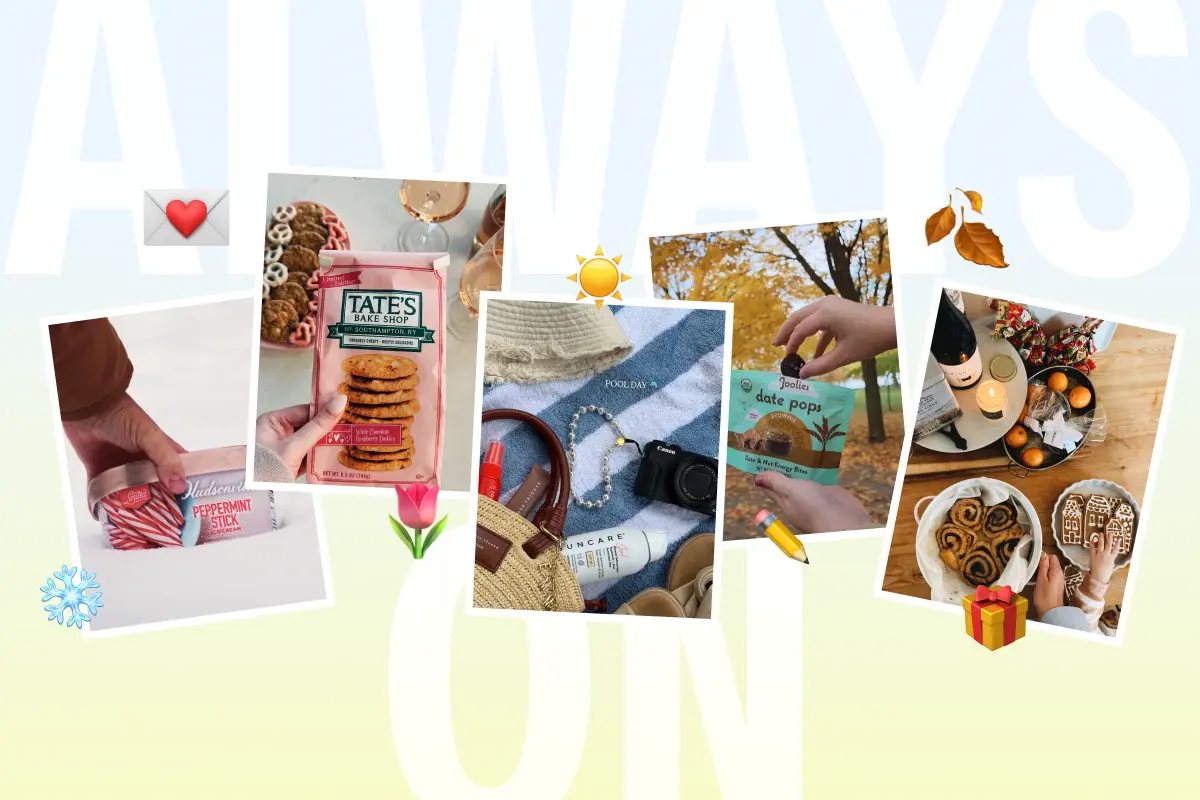
Creator marketing works, but can you prove it? Explore the gap between social engagement and in-store purchases, and why closing it is the next frontier for CPG brands building retail presence.
The Attribution Gap — Hummingbirds
The Gap No One Talks About
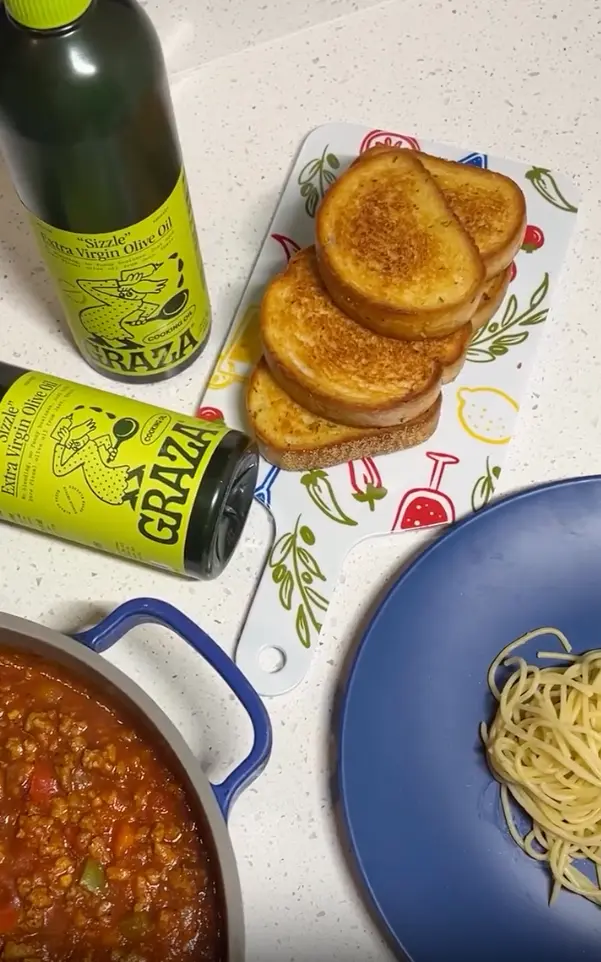
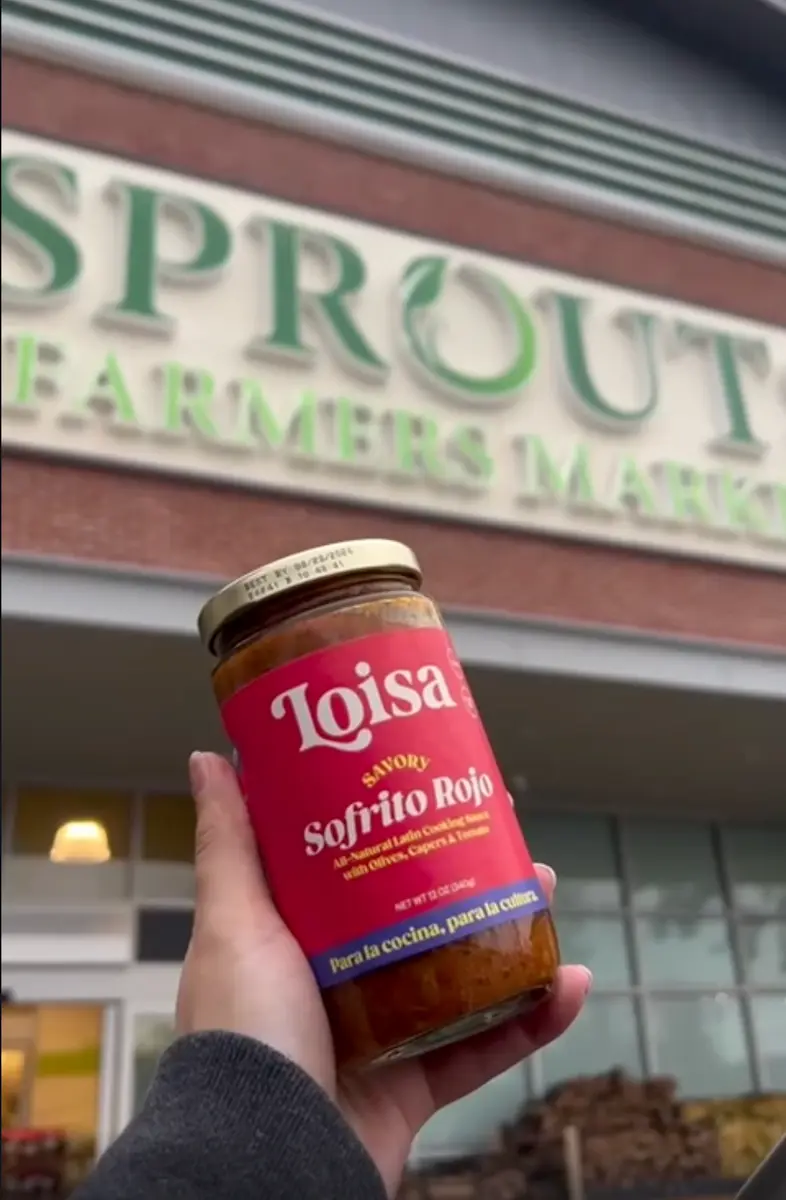
Creator content at retail
For CPG brand marketers who know creator marketing works, but can't prove it.
There's a moment every CPG marketer knows well.
A creator posts about your product on a Tuesday. The content is good — genuinely good. Real person, real store, real shelf. The comments are saying where can I get this and adding to my cart. The engagement is there. The energy is there.
And then... silence.
Did anyone actually buy it? Did they walk into Target that weekend? Did the people who saved the post ever show up at Whole Foods? Did your velocity number move at all?
You have no idea.
That's the gap, and it's costing you more than you think.
The Problem Isn't the Content. It's What Comes After It.
Creator marketing has become one of the most powerful tools in the CPG marketer's toolkit, especially for brands building retail presence. Everyday people sharing real products at real stores generates the kind of trust that no ad spend can replicate.
But the marketing ecosystem was never built to close the loop.
Social platforms track engagement. Point-of-sale systems track transactions. Receipts live in email inboxes or get tossed in parking lots. None of these systems talk to each other, and no one has built the bridge between the post and the purchase.
So brands are left with a choice: run creator campaigns and hope the signal is there, or default to the performance channels they can measure and miss the community-driven momentum entirely.
Neither is the answer.
What Your Buyer Meeting Actually Needs
Here's the pressure that makes this gap especially painful: you're not just answering to a marketing dashboard. You're answering to retail buyers.
And retail buyers don't care about impressions. They care about velocity.
"These influencers are sending people into the stores, and our buyers love to hear that."
— Tea & Wellness Brand
That quote captures something real. The story of creators driving in-store trial is compelling — buyers respond to it. But "our buyers love to hear that" is very different from "here's the data that proves it." One is anecdote. The other is leverage.
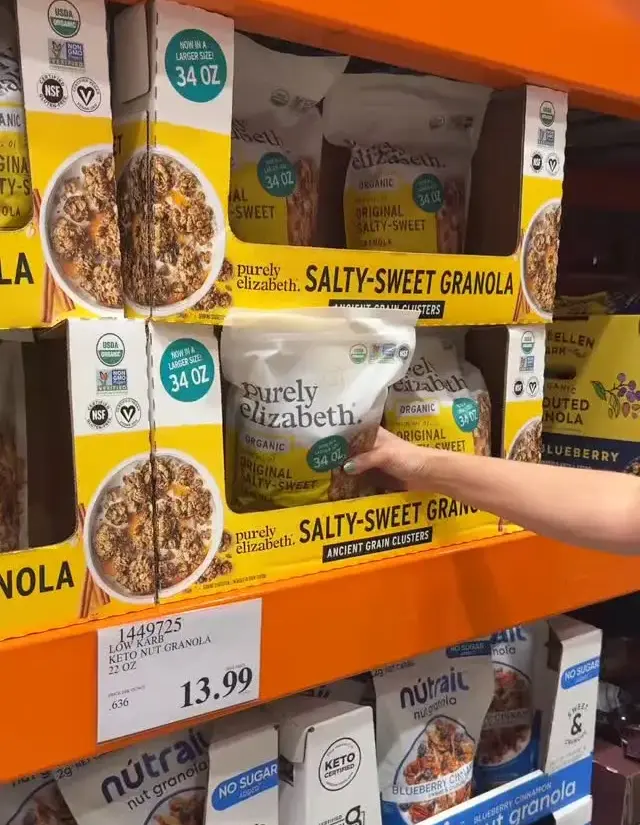
Community-powered discovery at the shelf
The brands that can walk into buyer meetings with verified retail movement behind their creator campaigns are the brands that get shelf space, expanded distribution, and the kind of buyer trust that lasts beyond a single review period.
Right now, most brands can't do that. Not because creator marketing doesn't work, but because the tools to prove it don't exist — or they're stitched together across three different platforms that don't speak the same language.
The Gap Is Real and It's Shared
This isn't a small-brand problem or a maturity problem. It's an industry-wide structural gap that affects everyone from emerging brands to established players.
"We saw a significant lift with Harris Teeter with our last campaign."
— Beverage Brand in Harris Teeter
A significant lift. Felt but not fully measured. That's the gap in four words.
What if you didn't have to wonder? What if every creator campaign came with a trail of verified purchases — the receipts to match the reach?
"Working with Hummingbirds was a seamless experience. From start to finish, their team fully integrated with ours to help build brand awareness and drive retail-specific revenue. They were truly an extension of our team and we couldn't have asked for a better partner as we expanded our influencer program."
— Kids Food Brand in Kroger
Brands building creator programs with Hummingbirds are already experiencing what happens when creator-powered discovery is treated as a retail growth channel — not just a content play. The content is real. The community is real. The retail connection is where the next chapter starts.
What Scrappy Looks Like When the Platform Works
Creator content ready to deploy
Sometimes the proof shows up when you least expect it.
"We were at our offsite doing a last-minute Memorial Day sale — very last minute — and we didn't have any content. And I was like, wait, we have 40 pieces of content, let's get scrappy. And the team was like, where did you get that? And I was like, it's Hummingbirds. And they were like, no way. Our CMO said, what? This is crazy."
— Health & Wellness Brand in Costco
Forty pieces of content, ready to deploy, generated by real people who shopped the brand at real stores. That's what a creator community actually looks like as a business asset, not just a campaign output.
And it's a preview of what becomes possible when the content side and the purchase side finally connect.
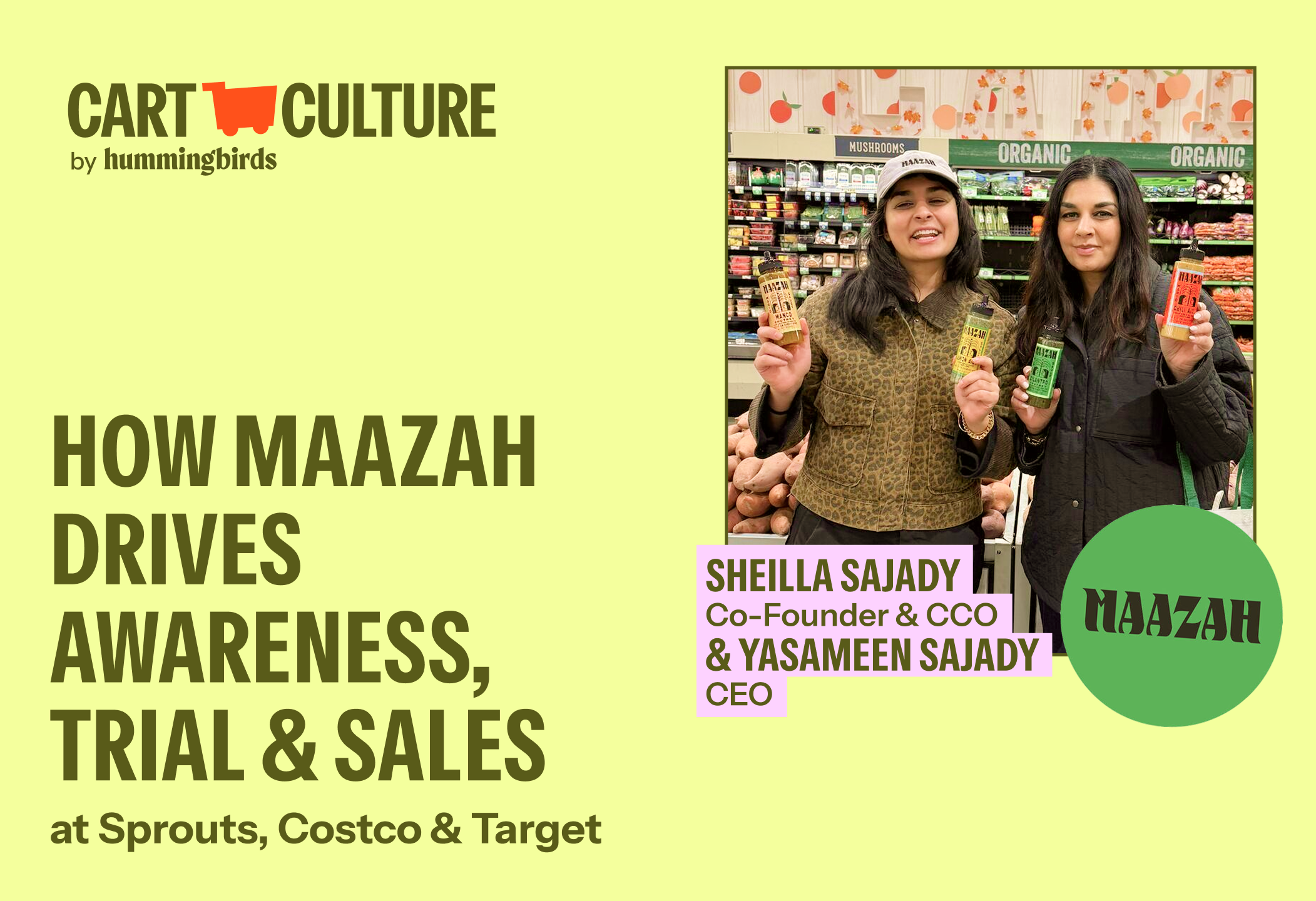
"Target is super pumped on our partnership with Hummingbirds."
— Baked Goods Brand in Target
That's a retail buyer who sees the community showing up at the shelf. That's what happens when creator marketing stops being a marketing department story and starts being a retail story.
The Gap Is Closable
The attribution problem in creator marketing isn't permanent. It's a product problem, and product problems get solved.
The brands that will win the next three years of CPG retail aren't the ones with the biggest ad budgets or the most polished influencer partnerships. They're the ones who figured out how to tie community-powered discovery to verified purchase behavior at the retailers where they actually sell.
That's the shift happening right now, and it's happening faster than most of the industry realizes.
We're building something that closes this gap directly. More soon.
The Bottom Line
Creator marketing works. The brands that will pull ahead are the ones who stop hoping for attribution and start building the systems that produce it — retailer by retailer, market by market, campaign by campaign.
Frequently Asked Questions
What exactly is the "attribution gap" in creator marketing?
The attribution gap is the missing link between a creator's post and a verified retail purchase. Social platforms measure engagement — likes, saves, comments — and point-of-sale systems measure transactions, but nothing connects the two. So when a creator posts about your product and a shopper walks into Target three days later to buy it, that purchase is invisible to your campaign reporting. The gap is structural, not a measurement failure on your part.
Why do retail buyers care about creator marketing attribution?
Retail buyers live and die by velocity — the rate at which your product sells through on their shelves. When you can walk into a buyer meeting and show that creator-driven community activity correlates with lift in a specific store or market, you're speaking their language. Right now most brands can only offer anecdote ("our buyers love to hear that creators are driving foot traffic"). Verified purchase data turns that anecdote into leverage — for shelf space, expanded SKUs, and longer buyer relationships.
Why can't brands just use existing tools to measure creator ROI?
The tools that exist were built for different purposes. Social analytics platforms are optimized for engagement metrics. Retail data platforms track POS movement. Affiliate and promo code tools work for e-commerce but break down in physical retail, where most CPG purchase decisions happen. Bridging these systems requires purpose-built infrastructure — something designed specifically to connect creator content to in-store purchase verification. That bridge hasn't existed until now.
How does Hummingbirds approach the creator-to-retail connection differently?
Hummingbirds was built around the retail moment from the start — not social performance. Campaigns are anchored to specific retailers and markets, creators are selected because they shop those stores, and content is designed to drive shelf-level recognition and trial. That retail-first orientation means Hummingbirds is uniquely positioned to close the attribution gap as the measurement layer develops — because the community and the retail context are already aligned.
Should brands wait for attribution to be solved before investing in creator marketing?
No — and waiting is actually the riskier move. Word of mouth compounds over time. The community you build today creates density that's very hard to replicate quickly later. The brands that start now will have established creator relationships, local market depth, and a body of content ready to deploy when attribution becomes standard. The brands that wait will have to build from scratch at exactly the moment everyone else is already ahead. The gap closing is coming — but the community advantage belongs to whoever builds first.
Learn more, grow faster
Content designed to help brands understand what actually works at retail.

.png)
.png)