The Shift That's Changing How CPG Brands Win at Retail
There's a reason some creator campaigns feel effortless while others feel like ads. The difference usually isn't production quality or platform. It's fit.
When a creator already buys your product on their weekly Target run, or tosses it into their Costco haul, or reaches for it during their morning routine, something changes in the content. The enthusiasm is real. The context is real. And consumers can tell.
This is the principle behind creator-product fit, and it's becoming one of the most important frameworks for CPG brands trying to drive discovery and loyalty at retail.
Everyday Products Belong With Everyday Creators
If your product lives on a shelf at Walmart, Whole Foods, Costco, Target, Ulta, or Sprouts, you're not selling to aspirational buyers. You're selling to people making real decisions in real aisles, on real budgets. Everyday creators reflect that reality back to them.
These creators aren't lifestyle archetypes. They're people who genuinely shop the same stores, use the same products, and talk about their finds the same way your customers talk to their friends. When an everyday creator shares a new snack they grabbed at Costco or a skincare staple they restocked from Ulta, the post doesn't feel sponsored. It feels like a recommendation.
That's a meaningfully different kind of trust than what most influencer campaigns produce. And it maps directly to how your customers actually shop. In-store discovery is far from dead:
51.9% of Gen Z consumers discover new products in physical stores first.
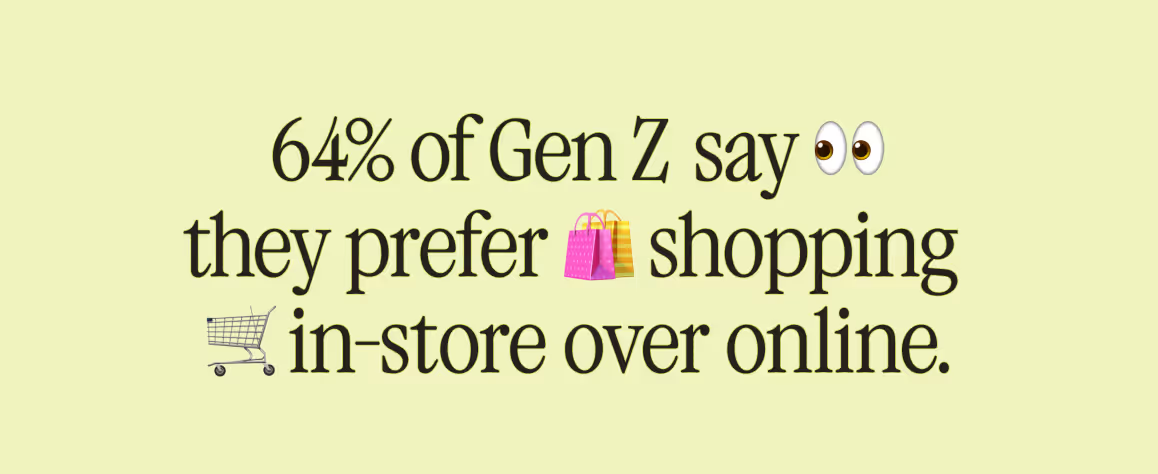
64% of Gen Z say they prefer shopping in-store over online.
74% of Millennials report discovering new products while shopping in-store.
When everyday creators bring their audiences into the aisles where your product lives, they're meeting consumers at the exact moment and place discovery actually happens.
The Problem With Influencer Campaigns That Ignore Product Fit
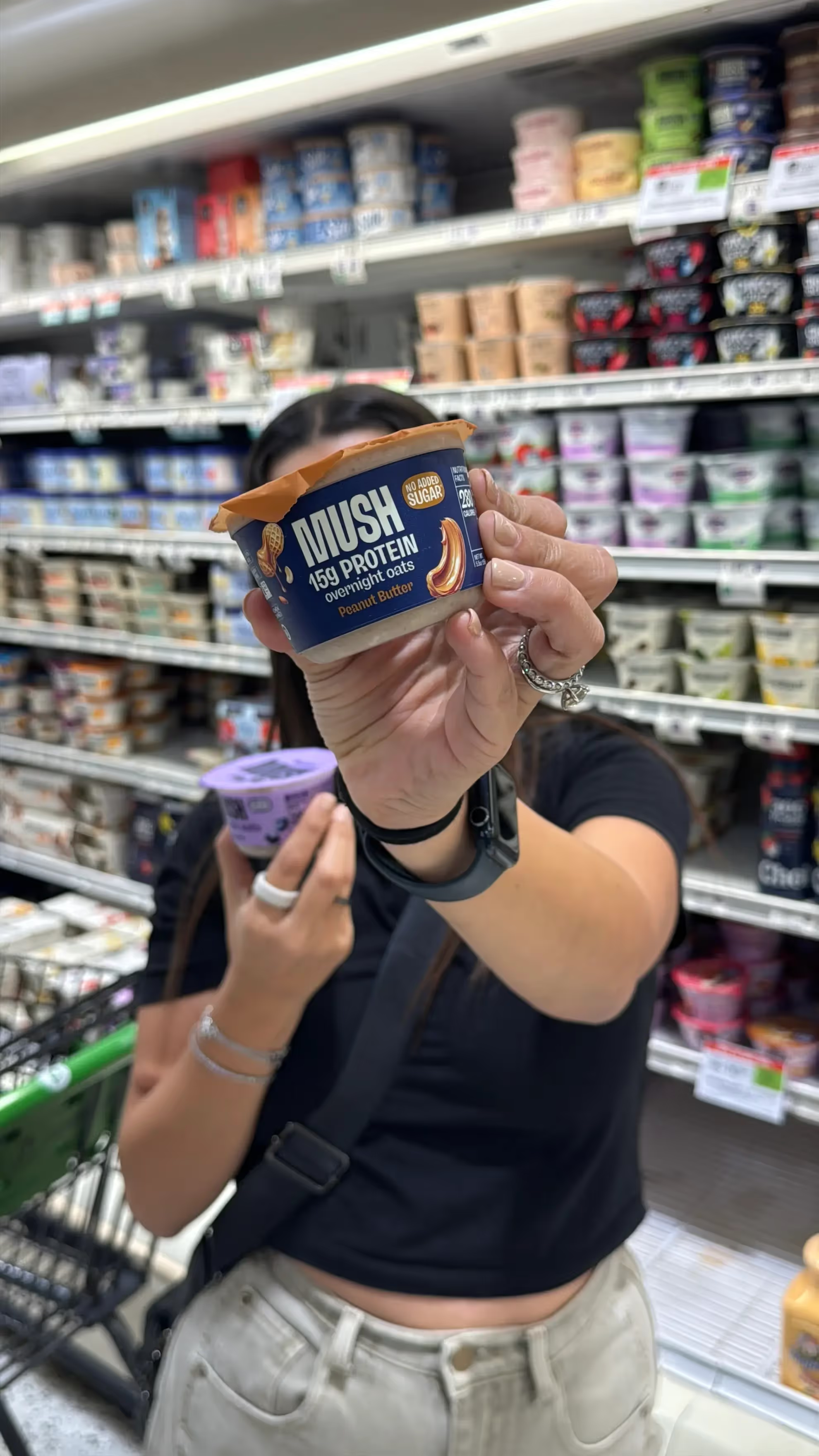
Most CPG marketers have lived through at least one campaign that looked good in the brief and fell flat in the feed. Big creator, beautiful content, underwhelming results.
Often, the culprit is a mismatch between the creator's world and the product's world. A wellness influencer promoting a shelf-stable pantry staple. A food creator pushing a premium supplement that doesn't fit their usual content. The product feels inserted, not integrated.
Everyday creators sidestep this problem almost entirely, because the product IS part of their world. It's already in their pantry, their bathroom cabinet, their gym bag. Their content doesn't require a creative brief to feel authentic. It requires a product that genuinely fits their life.
Creators in our network put it plainly:
"I'm a content creator who loves sharing lifestyle, food, and beauty finds that make everyday life easier and more enjoyable. I create authentic, engaging content that inspires my audience to try new products, recipes, and routines they can trust." — Noluthando, Denver
"Hummingbirds is an approachable way to bring brands I love and ones that I align with to my community. I'll never post content that isn't 100% truthful." — Kelsey, Twin Cities
That's not a talking point. That's the standard everyday creators hold themselves to, because their audience and their reputation depend on it.
What Authentic Creator Content Actually Looks Like in CPG
The categories where everyday creator content performs best share a common trait: the products are genuinely woven into daily life. Think about the content that tends to stop a scroll:
- A Costco haul that spotlights a new better-for-you snack the creator is genuinely excited about
- A Walmart grocery run where a household essential gets a casual but enthusiastic shoutout
- A Whole Foods or Sprouts shop-with-me where a clean-ingredient swap becomes the story
- A Target self-care restock that naturally features a beauty or personal care product
None of these feel like ads. They feel like recommendations from someone who is already living the kind of life your customer is trying to build.
This type of content works across food and beverage, wellness, beauty, household essentials, baby and family care, functional drinks, and healthy snacks. Not because those categories are trending, but because they're the categories people actually buy, repeatedly, at the retailers where everyday creators already shop.
Case Study: Goodles x Walmart
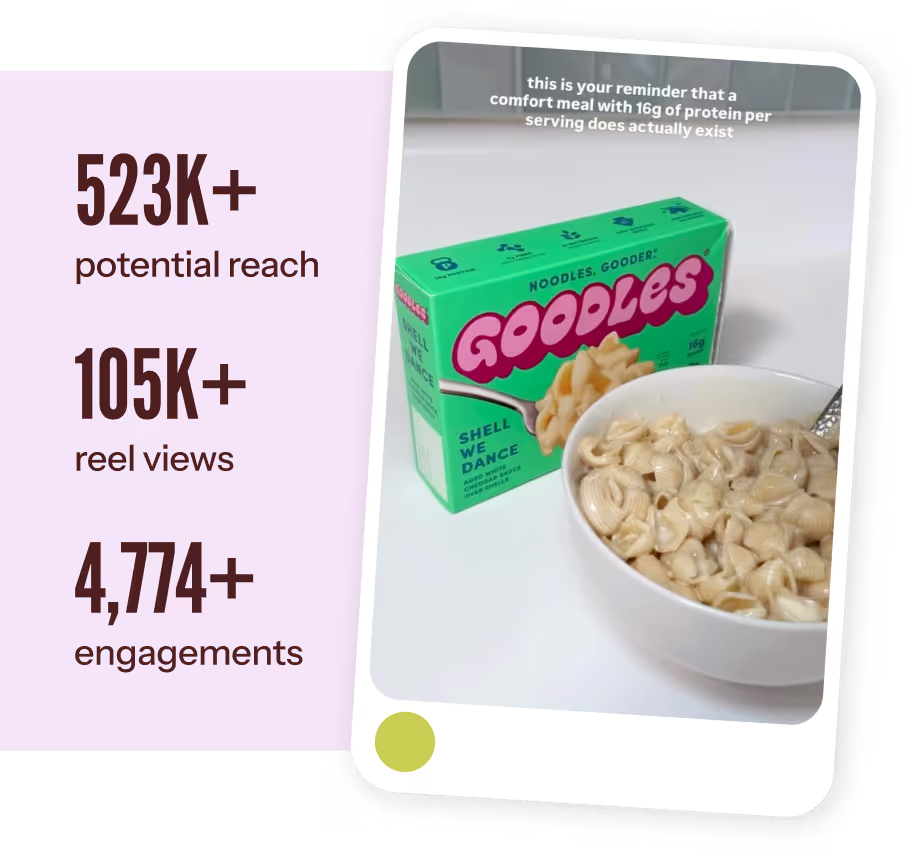
Campaign: "Twirl Responsibly: Goodles May Cause Obsession"
Goal: Generate authentic UGC to promote Goodles mac & cheese at Walmart
Timeline: 2 weeks
Scale: 90 creators across 25 cities
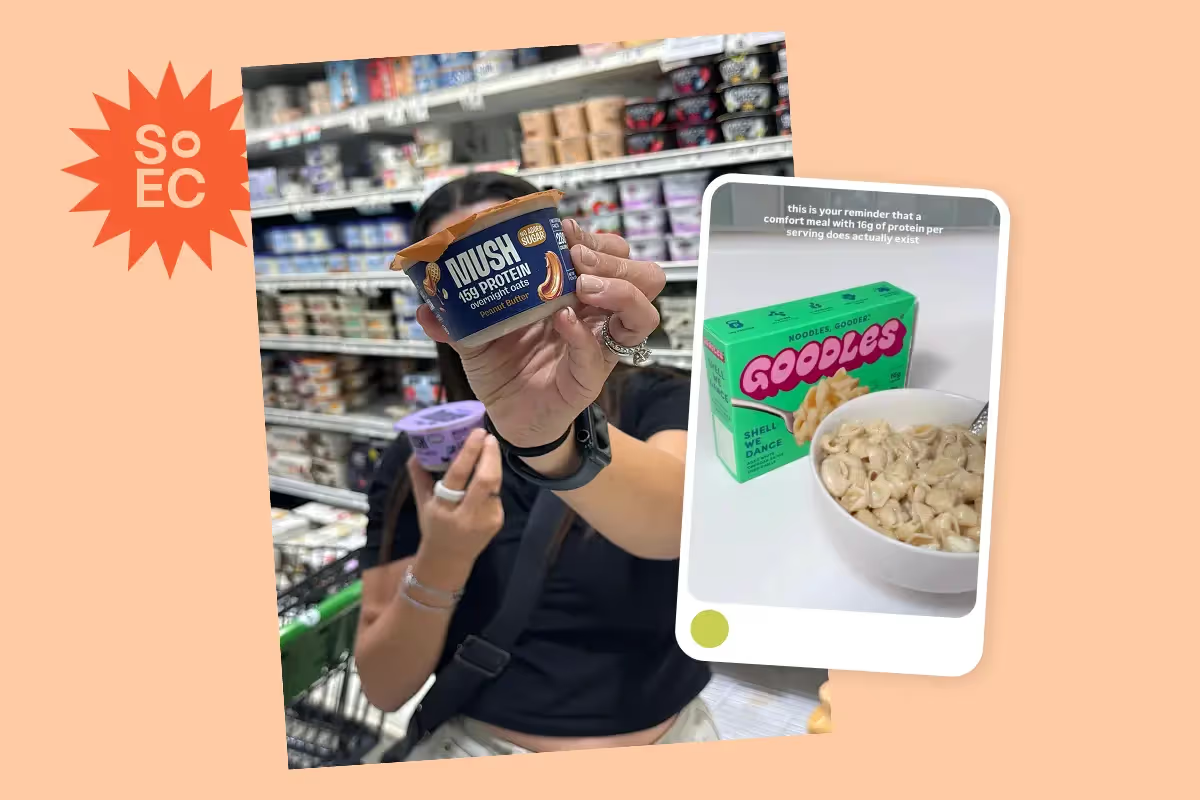
Goodles needed to do more than announce their Walmart availability. They needed consumers to feel the excitement of finding the product in the wild. By partnering with everyday creators in markets like Chicago, Quad Cities, and St. Louis, they got exactly that: real people, real Walmart aisles, real reactions.
The content looked nothing like a traditional CPG ad. It looked like someone's kid reaching for a brightly colored box on the shelf. It looked like a creator genuinely delighted to find her favorite mac & cheese upgrade at her local Walmart. That's the kind of content that drives trial, because it makes discovery feel possible for everyone watching.
From Discovery to Loyalty: How Repeated Usage Changes the Equation
One of the most underestimated advantages of working with everyday creators is the compounding effect of repeated exposure. A traditional influencer partnership often produces a single moment: a post, a story, a mention. The product appears once, performs once, and moves on.
Everyday creators, when they genuinely love a product, come back to it. It shows up in their pantry hauls next month, their morning routine six weeks later, their holiday shopping content in December. Each touchpoint reinforces the message: this is a product worth buying again.
For a shopper watching that creator's content, the message becomes clear over time. It's not just that the product is good. It's that the product fits a life that looks like theirs. That's how discovery becomes loyalty.
What CPG Teams Should Be Asking About Creator Fit
If you're building out a creator strategy for a retail-distributed product, the most important questions aren't about reach or demographics. They're about fit.
- Does this creator actually shop the retailers where our product is available?
- Does our product category fit naturally into the content they already make?
- Would this creator have bought this product on their own?
- Does their audience reflect the consumer we're trying to reach?
When the answers are yes, the content almost writes itself. When the answers are unclear, no amount of creative direction will manufacture the authenticity that makes everyday creator content work.
The Bottom Line for CPG Brand Marketers
Creator-product fit isn't a soft concept. It's a measurable performance driver. Brands that work with everyday creators who genuinely use and love their products get better content, higher engagement, and more durable consumer trust than brands that prioritize reach over relevance.
The good news for CPG teams is that your products are already designed for everyday life. They belong in everyday carts, everyday routines, and everyday content. Your job is to find the creators whose lives already look like that, and get your product into their hands.
The content that follows tends to take care of itself.
Learn more, grow faster
Content designed to help brands understand what
actually works at retail.
.png)