The CPG Brand's Guide to Hyperlocal Creator Activation: Driving Real Influence in the Cities Where Your Product Lives
%20(2).png)
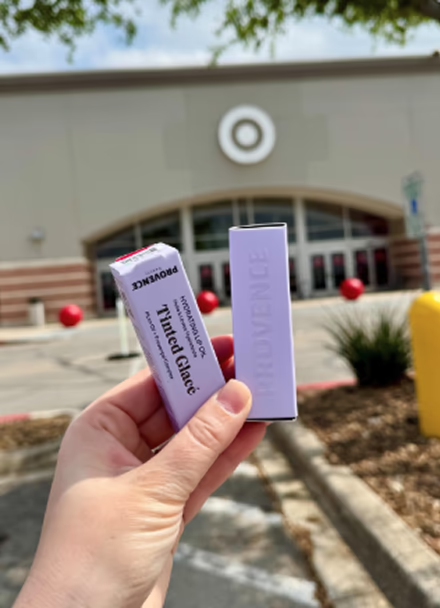
If your product just landed in Target nationally, congratulations. That is a genuine milestone. Now here's the part nobody warns you about.
The shopper standing in the Chicago Lincoln Square Target on a Tuesday morning has no idea your product is also on shelves in Houston, Phoenix, and Charlotte. She doesn't care. She's looking at the shelf in front of her, in the store she shops every week, in the neighborhood she lives in. And the only thing that will make her reach for your product instead of the one she already recognizes is whether your brand already feels familiar to her, specifically, in that place.
This is the hyperlocal problem. And it's why national distribution alone is never enough.
Reach and Recognition Are Not the Same Thing
The CPG marketing world has spent a decade optimizing for reach: impressions, views, follower counts, share of voice. These things matter. But they carry a blind spot that becomes obvious the moment a brand steps into serious retail.
Reach tells you how many people theoretically saw your content. Recognition is what happens when a shopper in a specific city, walking down a specific aisle, picks up your product because it already feels like something she knows.
Reach is built at scale. Recognition is built locally.
A brand with a hundred thousand TikTok followers might have strong national awareness and weak neighborhood-level recognition everywhere. A brand that has activated fifty creators in twenty cities, each one posting from the exact stores where the product lives, builds something harder to measure but far more powerful: the sense, among real shoppers in real places, that this product is already part of their world.
That sense is what drives trial. And trial is what keeps a brand on shelf.
Why "In Target Nationally" Still Requires a Market-by-Market Strategy
Here is a scenario that plays out constantly in CPG. A brand closes a national deal with a major retailer. The POs go through. The product hits shelves in 600 stores across 40 states. The brand posts about it on Instagram and sends a press release. Then they wait.
In most of those 600 stores, the product sits. Not because it's bad. Because nobody in those communities has any reason to reach for it yet. The local shopper hasn't encountered it in a context that made it feel relevant to her life. The shelf doesn't come with a built-in introduction.
The brands that win at national retail don't treat distribution as the finish line. They treat it as the starting gun for a market-by-market visibility effort. They ask: which cities matter most for early velocity? Where are our target shoppers concentrated? Which markets have a strong retailer presence and a community we can activate in?
Then they go city by city. ZIP code by ZIP code. Store by store.
This isn't a small-brand strategy. It's what the best-performing brands do at every stage of growth, because local recognition is the only kind of recognition that actually converts at the shelf.
How Hyperlocal Creator Activation Actually Works
Hyperlocal creator activation flips the standard influencer brief inside out. Instead of starting with an audience, defined by demographics, interests, and follower count, and pushing content outward, you start with a geography and work inward.
The targeting layer isn't "women 25 to 40 who like wellness." The targeting layer is: creators who already shop at the Whole Foods on North Avenue in Chicago, or the H-E-B in Mueller in Austin, or the Sprouts in Tempe. Creators who live in those ZIP codes, know those stores, and post about their actual shopping lives.
When those creators talk about your product, something different happens than when a macro influencer in Los Angeles does a polished unboxing. The content looks like a recommendation from someone who would know, because it is. It lands with the people in that community because it comes from one of them.
The mechanics work like this. A brand identifies the retailers and markets that matter most for their current stage. Creators in those specific cities and ZIP codes discover the campaign, opt in, go to the actual store, buy the product, and post about it in the context of their real routine. The content is retail-native and geographically grounded. It reaches the exact shoppers who walk past that shelf, from voices those shoppers already trust.
Follower count is not the signal. Community trust within a geography is.
The Geography-First Targeting Framework
Most brands have never been asked to think about their creator strategy in geographic terms. They think about it in terms of audience. But for CPG brands in physical retail, geography is audience. The shopper who matters is the one who can actually walk into your store.
Here is a practical framework for building a geography-first targeting strategy.
Start with your highest-opportunity markets. Not all of your retail doors are equal. Some markets have higher shopper density for your category, stronger retailer performance, or existing brand awareness you can build on. Identify the five to ten markets where early velocity signals matter most and concentrate your first wave of hyperlocal activation there. Depth in a few markets always outperforms a thin spread across many.
Map creators to specific retailers, not just cities. A city like Chicago has dozens of relevant retail locations. A creator who shops the Mariano's in Wicker Park is not the same activation as a creator who shops the Target in Lincoln Park. When your campaign brief is tied to specific store locations, the resulting content is more credible, more specific, and more likely to reach the shoppers who actually walk those aisles.
Evaluate creators on local relevance, not scale. A creator with 4,000 followers who genuinely shops your target retailer in Denver every week is worth more for a Denver activation than a creator with 200,000 followers who lives in Los Angeles. The signal that matters is whether this person has authentic ties to the community and the store, not whether their profile metrics look impressive in a spreadsheet.
Plan for seasonal continuity from day one. A hyperlocal activation that runs once at launch and then goes dark leaves most of its value on the table. The compounding effect comes from shoppers encountering your product in creator content across multiple touchpoints over time. Build your activation calendar with seasonal moments in mind so the presence is sustained, not just spiked.
A Tale of Two Activations: Midwest Presence vs. West Coast Launch
The strategic difference becomes clearest when you look at two distinct brand situations side by side.
Situation A: An established brand with 30 Midwest doors. This brand doesn't need national buzz. They need the people who shop Hy-Vee in Des Moines and Meijer in Grand Rapids to recognize their product as something their community already loves. The activation strategy here is depth over breadth: a small, consistent group of creators across those specific markets, posting regularly across seasons, building the kind of local familiarity that makes the product feel like a staple rather than a newcomer.
Situation B: A brand doing a West Coast launch into Sprouts. This brand has a different problem. They're entering markets where they have little to no recognition. The activation strategy here is speed and coverage: creators across the West Coast cities where Sprouts is strongest, generating content in the first weeks of distribution to give that initial shelf moment the local presence it needs to convert. The goal is to compress the time it takes for a shopper in Portland or San Diego to feel like this product is already part of their world.
Same tool, entirely different application. Hyperlocal creator activation is not a one-size campaign. It's a strategic layer you calibrate to the exact problem your brand has in the exact markets where you need to move.
The Always-On Argument
One thing both situations above share: neither one is solved by a single campaign.
The brands that see compounding results from hyperlocal creator activation treat it as a channel, not an event. They run campaigns that overlap across seasons. They add new markets as distribution grows. They refresh their creator community as new voices emerge in the cities that matter most.
What this creates over time is something no single campaign can build: a city-by-city reputation. A brand that, in Denver, feels like something people there already know. That, in Nashville, has been part of the grocery conversation long enough to feel like a given. That, in Seattle, a shopper sees on shelf and thinks, "oh right, I've heard about this."
That reputation doesn't live in an impression count. It lives in neighborhoods.
The practical way to think about this: if you're already running creator campaigns on a campaign-by-campaign basis, the shift to always-on doesn't require a bigger budget. It requires a different cadence. Instead of one large burst per quarter, it means smaller, continuous activations in your most important markets, overlapping across the seasons when your product has the most relevance.
What Content Hyperlocal Creator Activation Generates
One underappreciated benefit of hyperlocal activation is the quality and usability of the content it produces. When creators post from actual stores in actual communities about products that actually fit their lives, the content looks categorically different from a polished lifestyle shoot.
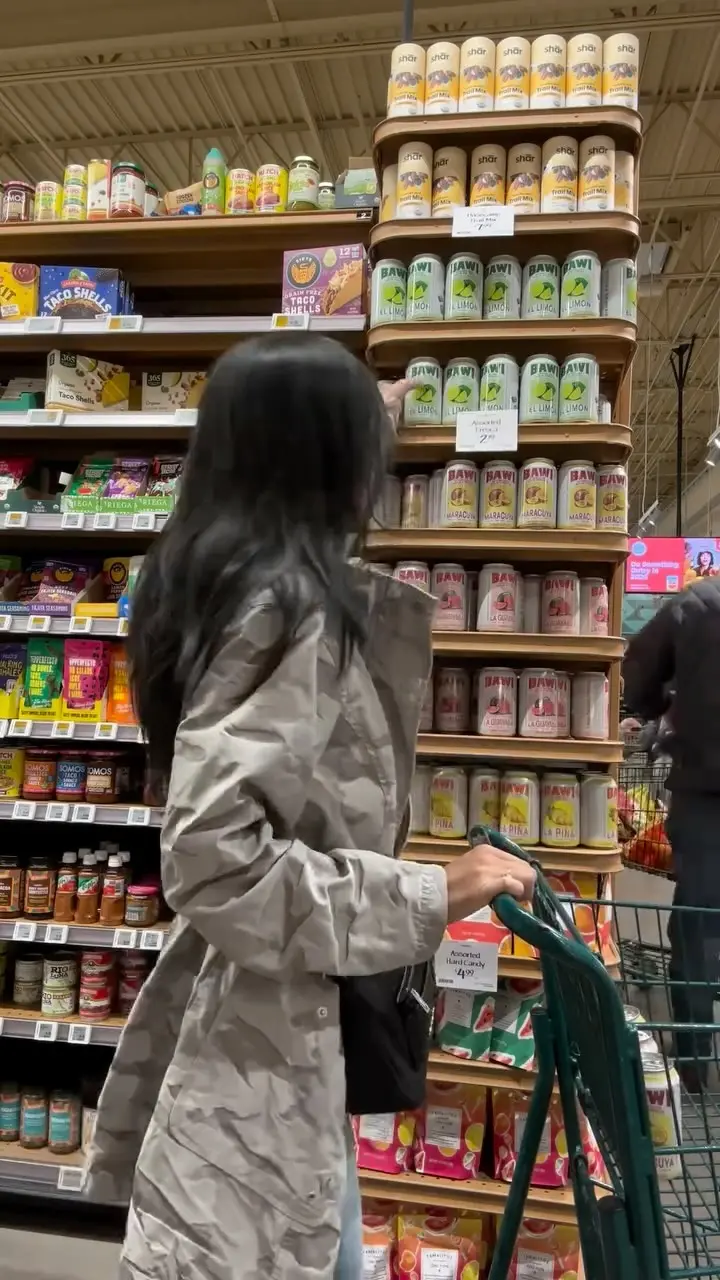
It looks like the inside of a real grocery store. It sounds like a genuine recommendation. It features the specific retailer and the specific product context that makes it recognizable to other shoppers in that community. And because the creator owns it, the content carries the weight of real social proof rather than branded content that audiences have learned to scroll past.
That content has value well beyond the initial post. Brands routinely repurpose hyperlocal creator assets across paid social, email marketing, retail media placements, and buyer presentations. A buyer at a regional grocery chain who sees creator content of real shoppers in their stores posting about your product responds differently than a buyer looking at polished brand photography. It signals that your product has community traction, not just marketing budget.
What This Looks Like in Practice on Hummingbirds
Hummingbirds is built specifically for this kind of activation. The community is national, with creators across cities coast to coast, matched to the retailers where CPG brands actually sell. When a brand runs a campaign, they're not broadcasting to a general audience. They're activating real shoppers in specific markets, at specific stores, around the specific moments when purchase decisions happen.
A campaign on Hummingbirds might look like this: a brand selects the retailers and cities they want to activate in, defines what they want creators to do, and sets the campaign live. Creators in those markets find the campaign, participate within a two-week schedule, and generate content that is retail-native, geographically grounded, and genuinely theirs. The brand receives the content, tracks performance, and uses the assets across their channels with usage rights already cleared.
No managing individual creator relationships across twenty cities. No retrofitting a lifestyle campaign to feel local. The geographic layer is built in.
See how it works on Hummingbirds →
Frequently Asked Questions
What is hyperlocal creator activation?
Hyperlocal creator activation is a marketing strategy where brands work with everyday creators in specific cities, neighborhoods, and ZIP codes rather than optimizing for broad national reach. Instead of targeting by demographics or follower count, the targeting layer is geographic: creators who already shop at the specific retailers where your product is sold, in the exact communities where your target shopper lives. The goal is to build local recognition and familiarity at the neighborhood level, which is where in-store purchase decisions are actually made.
Why does hyperlocal matter more than national reach for CPG brands in retail?
National reach builds general awareness. But a shopper standing in front of a shelf in Austin doesn't make her purchase decision based on national awareness. She reaches for what already feels familiar to her, in her community, in the stores she shops. Hyperlocal creator activation builds that familiarity specifically in the markets where your product lives, which is the only familiarity that actually converts at the shelf. Broad reach and local recognition are not the same thing, and for brands trying to build retail velocity, local recognition is the one that matters.
How is hyperlocal creator activation different from standard influencer marketing?
Standard influencer marketing typically starts with audience attributes (demographics, interests, engagement rate) and selects creators who reach that audience at scale. Hyperlocal creator activation starts with geography and selects creators based on where they live and shop. A creator with 4,000 followers who shops your target retailer in Chicago every week is more valuable for a Chicago activation than a creator with 400,000 followers who lives in Los Angeles. The signal is local relevance and genuine community trust, not scale.
How do CPG brands decide which cities to prioritize for hyperlocal activation?
The best starting point is the intersection of three factors: where your target shopper is concentrated, where your retailer has strong store density, and where you have the most to gain from early velocity signals. For brands entering a new retailer, that often means the five to ten markets where the retailer performs best and where your product category has the most active shoppers. For brands with existing distribution, it means doubling down on the markets where you're closest to breaking through rather than spreading thin across everywhere you're listed.
Can hyperlocal creator activation work for brands that are already in national distribution?
Absolutely, and in many ways it's more urgent for nationally distributed brands. Being in 600 stores doesn't solve the local recognition problem in any of those 600 locations. National distribution means you have more markets to build recognition in, not fewer. The most effective national brands treat their retail footprint as a collection of local markets, each requiring its own community presence, rather than a single national audience to broadcast to.
How many creators do you need for an effective hyperlocal campaign?
It depends on the scale of the market and the intensity of the activation, but the principle is depth over breadth in any given geography. Ten to twenty creators shopping and posting from the same market will build more meaningful local recognition than one hundred creators spread across fifty markets with two posts each. The compounding effect comes from repeated exposure in specific communities, not from maximizing the number of ZIP codes touched. Quality, geographic density, and continuity matter more than raw creator count.
Learn more, grow faster
Content designed to help brands understand what
actually works at retail.
.png)