You just got the call. Your product is going into Target. Or Walmart. Or Costco. It’s one of those moments where you do a small, silent victory dance and then immediately panic about what comes next.
Because getting on shelf is one thing. Getting shoppers to actually stop, notice, and pick up your product? That’s a different challenge entirely — and most brands don’t have a playbook ready when the moment arrives.
Here’s what we’ve seen work.
The Retail Launch Gap Nobody Talks About
When a CPG brand secures a new retailer, the energy goes into logistics: getting the POs right, making sure the product is on shelf on time, locking in any promotional windows. Marketing, if it gets addressed at all, often defaults to a post on social or a press release.
But the window right after a new retail launch is one of the highest-opportunity moments in your entire marketing calendar. Shoppers are creatures of habit. The path from “new to shelf” to “a product people actually reach for” requires familiarity — and familiarity takes time to build unless you actively create it.
The brands that win at retail aren’t just present on the shelf. They’re showing up in the communities around that shelf.
Why Creator Activation Works at Launch
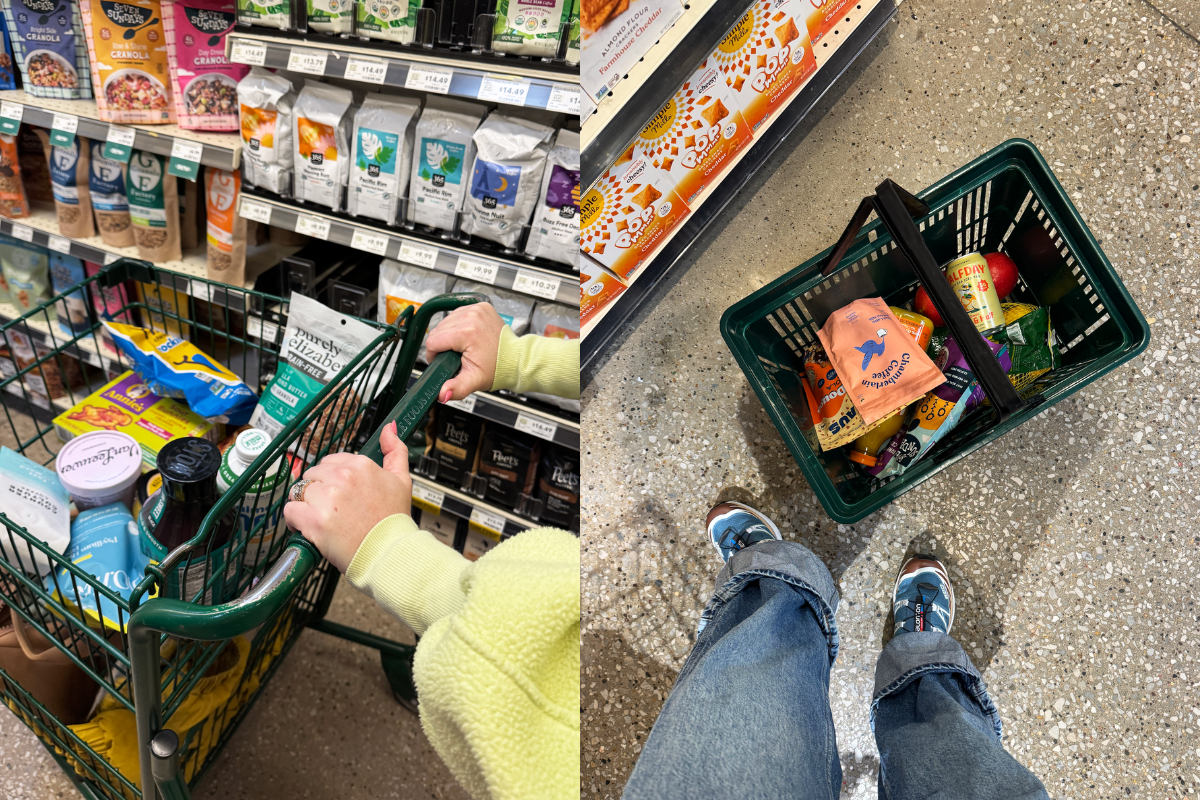
Retail launches are, fundamentally, a local problem. Your product isn’t going into “Target.” It’s going into the Target in Chicago’s Logan Square neighborhood, and the Target in Austin’s Domain, and the Target in suburban New Jersey where a specific kind of shopper drives through on a Saturday morning. Each of those stores has a community around it — and the people who influence purchase decisions in those communities aren’t macro influencers with millions of followers.
They’re the person your shopper trusts because she actually shops that store, actually buys products like yours, and actually posts about it in a way that doesn’t feel like an ad.
This is why everyday creator activation — built around real shoppers in the specific markets where your product lives — is such a natural fit for retail launches. It creates the familiarity and visibility you need, in exactly the places you need it, in a way that feels organic rather than manufactured.
How MUSH Does It
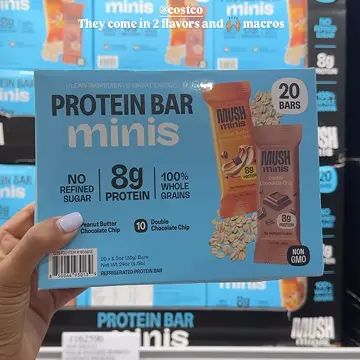
MUSH is one of the better examples we’ve seen of a brand that treats retail launches as an ongoing discipline rather than a one-time moment — and their Costco activation is a great case study for why this approach works.
When MUSH launched their Mini Protein Bar at Costco, they worked with everyday creators to show the product fitting naturally into real routines: Costco runs, post-workout snacks, the kind of busy afternoon that needs something quick and familiar. Nothing was overly produced or forced. It was real people showing how the product fit into real life, in the exact places shoppers would encounter it.
What made it work wasn’t just the content. It was the consistency of the approach. MUSH has done this across multiple retailers — from Costco to Walmart to Sprouts — using the same philosophy at each new moment. Every launch builds on the one before it. By the time a shopper encounters MUSH again on shelf, the product already feels known. It already feels like something other real people have tried and liked.
That’s the compounding effect of creator-powered retail activation. The content lives on. The familiarity accumulates. The product doesn’t have to introduce itself from scratch every time.
A Framework for Activating at Launch
If you’re about to enter a new retailer and you want to set this up well, here’s how to think about it.
Define your activation geography before you start. Your new retailer might have hundreds of locations, but you probably have a handful of markets where you’re most likely to move velocity early. Start there. Identify the cities and zip codes where your target shopper lives, where the retailer performs well, and where you already have some brand awareness to build on. Hyperlocal activation in ten markets outperforms a diffuse national push every time.
Find creators who actually shop there. The power of everyday creator activation is that the creators have genuine context. They already know the store. They already have opinions about the products on that shelf. When they talk about your product, it reads like a recommendation from someone who would know — because it is. The creator’s existing relationship with that retailer is part of what makes the content land.
Give creators room to show the real fit. Resist the urge to over-script. The best launch content shows your product fitting into a real routine, not performing one. Let creators connect your product to the moments in their lives where it actually belongs — a grocery run, a weekly ritual, an after-workout routine. That specificity is what makes it feel credible.
Think about reuse from the start. Creator content generated at launch has a shelf life well beyond launch. The authentic UGC you collect in week one can be repurposed across your paid social, your digital channels, your retail media placements, and your email. Build usage rights into your activation from day one so you’re not leaving that asset value on the table.
Don’t treat this as a one-time moment. The brands that get the most out of creator-powered retail activation treat it as an always-on discipline, not a launch sprint. MUSH didn’t just activate at Costco — they’ve continued to show up at each new retailer and each new seasonal moment. That consistency is what builds the kind of familiarity that actually moves product over time.
What This Looks Like in Practice
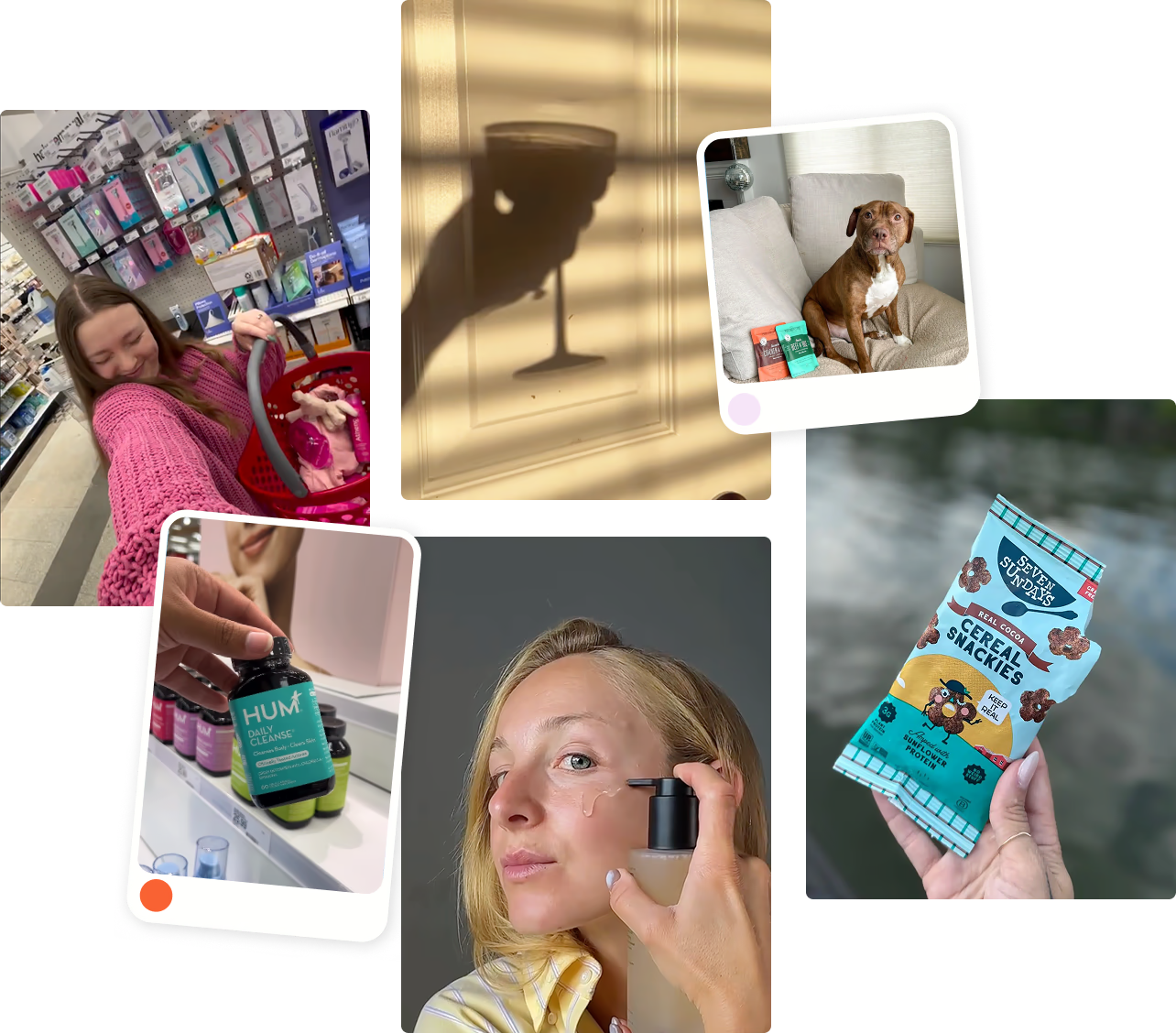
A well-structured retail launch activation on Hummingbirds looks something like this: you define the retailers, the markets, and what you want creators to do — whether the goal is awareness in a new city, content you can reuse across channels, or both. Creators who already shop in those markets discover your campaign and opt in to participate. They go to the store, they buy the product, they share what it’s actually like. You review the content, track performance, and repurpose the highest-quality posts across your other channels — all with clear usage rights built in.
The whole thing creates a feedback loop between what happens on social and what happens at shelf. Each piece of content is both a real-world recommendation and a reusable brand asset.
The Moment Is Short. The Opportunity Is Real.
A new retail launch is a window that doesn’t stay open forever. Retailers track velocity. If a product doesn’t show movement in the first few months, it risks losing that shelf space just as quickly as it earned it.
Creator activation at launch isn’t just a nice-to-have marketing play. It’s one of the most direct ways to create the local visibility and familiarity that turns new shelf space into real sales momentum.
The brands that treat launch as an activation moment — not just a logistics milestone — are the ones that earn their place on that shelf for the long term.
Frequently Asked Questions
Why is a new retail launch such an important marketing moment for CPG brands?
The window right after landing a new retailer is one of the highest-opportunity moments in your marketing calendar. Shoppers are creatures of habit, and the path from “new to shelf” to “a product people actually reach for” requires familiarity. If you don’t actively build that familiarity early, you risk sitting on shelf without the velocity retailers need to keep you there. Brands that treat launch as an activation moment — not just a logistics milestone — are the ones that earn their place on shelf for the long term.
What is everyday creator activation and how is it different from influencer marketing?
Everyday creator activation means working with real shoppers — people who already shop at your target retailer, already live in your key markets, and already influence purchase decisions in their communities. Unlike traditional influencer marketing, which focuses on follower counts and polished reach, everyday creator activation is hyperlocal and trust-based. The content feels like a genuine recommendation because it is one, and that authenticity is what drives real-world behavior at the shelf.
How should CPG brands choose which markets to activate creators in at launch?
Start by identifying the markets where you’re most likely to move velocity early. Look for cities and zip codes where your target shopper is concentrated, where the new retailer performs well, and where you already have some brand awareness to build on. Hyperlocal activation in a focused set of markets consistently outperforms a diffuse national approach — and it lets you build real community momentum in the places that matter most before expanding.
How do you make sure creator content from a retail launch is actually usable afterward?
The key is building usage rights into your activation from day one. The authentic UGC you collect during a launch campaign can be repurposed across paid social, email, digital channels, and retail media placements — but only if you’ve secured the rights to do so upfront. Thinking about reuse before the campaign starts means you’re not leaving significant asset value on the table after the launch window closes.
How often should CPG brands be activating creators at retail, and is it just for launches?
The brands that see the strongest results treat creator-powered retail activation as an always-on discipline, not a one-time launch sprint. Think about how MUSH has activated across multiple retailers — Costco, Walmart, Sprouts — and at each new seasonal moment. Every activation builds on the one before it, compounding the familiarity that makes shoppers more likely to pick up the product next time they see it. Launch is a natural starting point, but sustained presence is what creates lasting shelf momentum.
What does a retail launch activation on Hummingbirds actually look like?
You define the retailers, markets, and goals — whether that’s awareness in a new city, licensed content to reuse across channels, or both. Creators who already shop in those markets discover your campaign and opt in to participate. They go to the store, buy the product, and share what it’s actually like. You review the content, track performance, and repurpose the best posts across your other channels with clear usage rights built in. The result is a feedback loop between social and shelf — every piece of content is both a real-world recommendation and a reusable brand asset.
Learn more, grow faster
Content designed to help brands understand what
actually works at retail.
.png)