
1 / The State of Retail in 2026
Three things changed this year. Here's what they mean for your 2027 plan.
In 2026, the shelf got more crowded, the store kept its hold on the sale, and creators became core media. These are the three learnings brands should carry into 2027.
Learning 1: The Shelf Got Harder
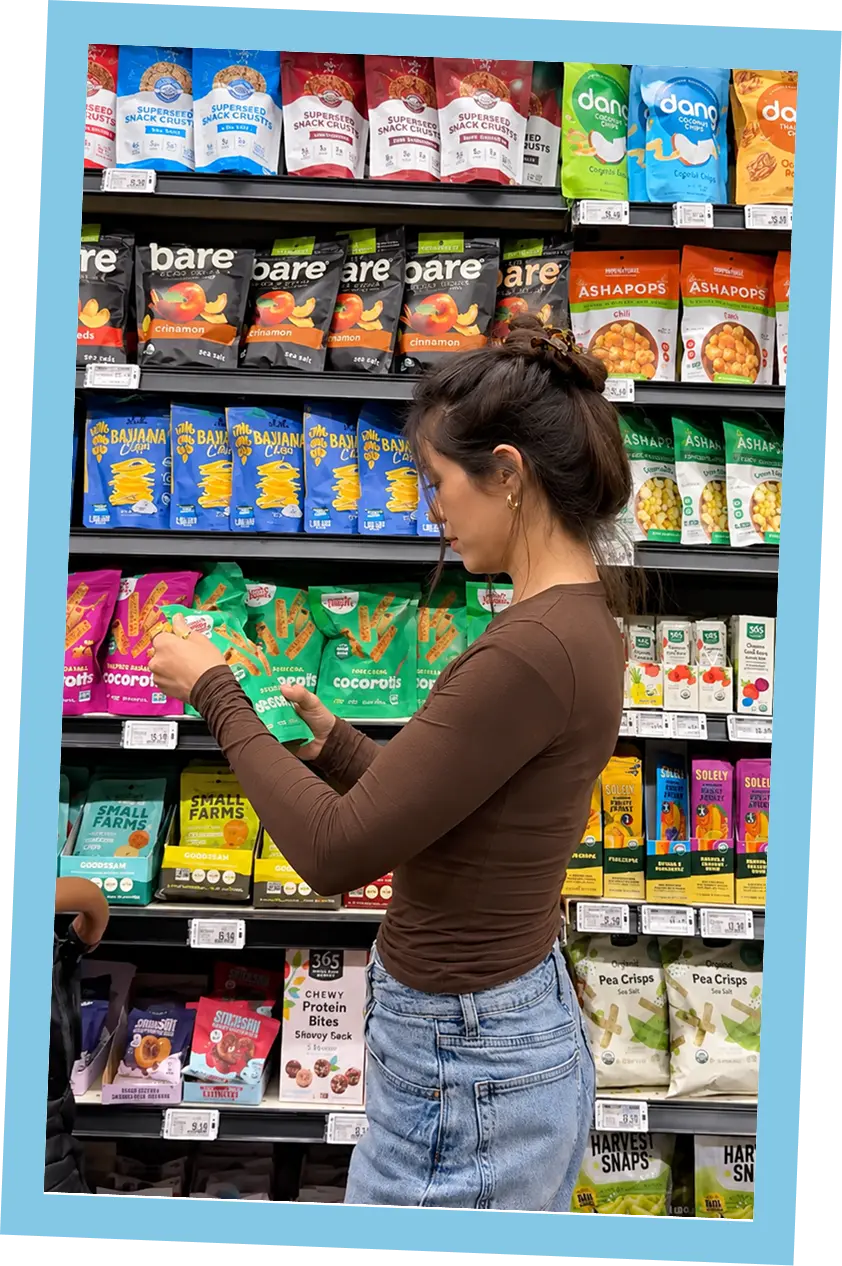
Shopper marketing now touches everything from retailer programs and merchandising to promotions, retail media, and social, often run by a team of one or two people covering thousands of doors. At the same time, shelves are more crowded, displays aren't lifting the way they used to, and promotions are working harder for less. Brands are also competing with the retailers themselves, as store brands hit record share and U.S. private label sales reach $330 billion. Every retailer also plays by its own rules, so what works at one banner may not be available at the next.
Promotions are less efficient than before the pandemic. NIQ measures promotion efficiency as the share of promoted volume that's truly incremental, meaning sales that wouldn't have happened without the promotion. That efficiency is down about 10 points from pre-pandemic levels, so more of what sells on promotion would have sold anyway. (NIQ)
Learning 2: Retail Still Wins
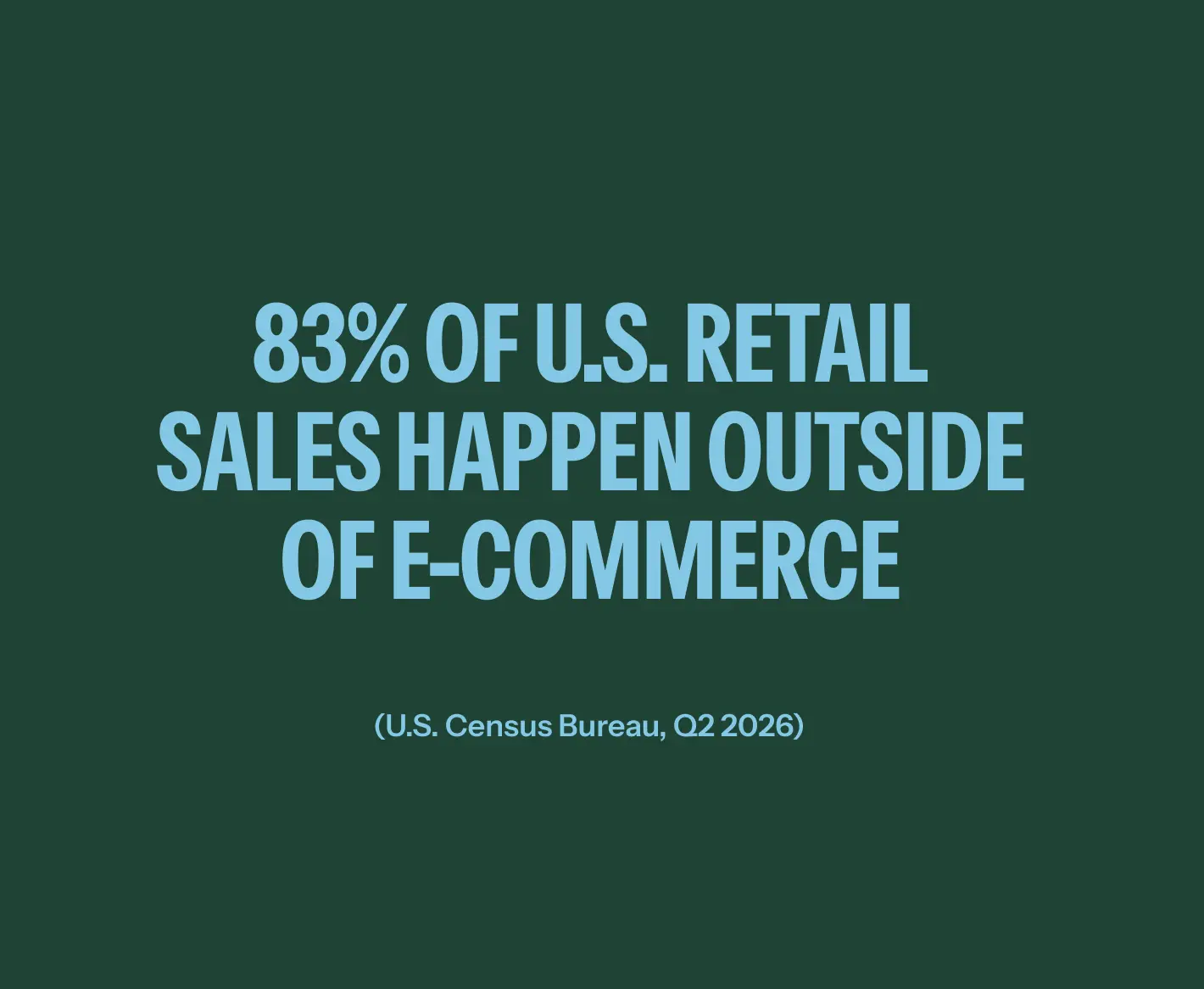
Even with TikTok Shop and Prime Day pulling shoppers online, about 83% of U.S. retail sales still happen outside of e-commerce. The store is still where most purchases are won or lost, which means the strategies that matter most are the ones that get shoppers into stores and move product off the shelf.
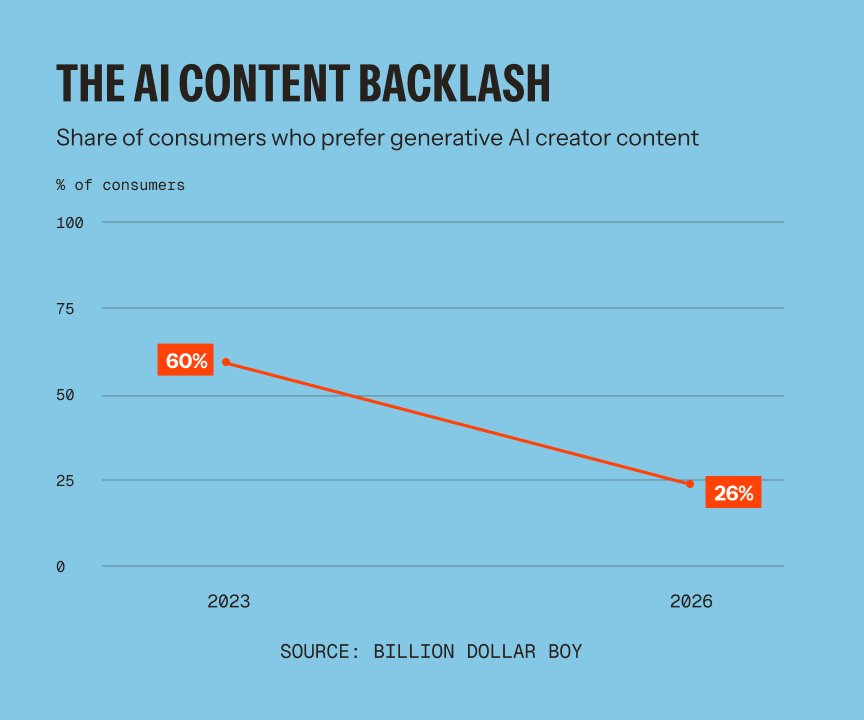
What has changed is how shoppers decide who to trust on the way there. AI made content endless, and shoppers are pushing back. Preference for AI creator content has dropped sharply, and a growing share of shoppers say too much AI content has made them trust brands less. The most valuable thing a brand can put in front of a shopper is a real person: everyday consumers are now the most trusted source of creator input, ahead of professional reviewers and subject-matter experts.
Learning 3: Creators Became Core Media
The influencer marketing industry is alive and well, and the spend proves it. U.S. brands are expected to spend $44 billion on creators in 2026, and 71% of enterprise organizations increased their creator investment year over year, with nearly two-thirds of that money coming out of traditional paid media.
Some of the biggest names in CPG are leading the shift: Unilever announced it would move half of its ad spend to social and work with 20 times more creators, pointing to consumers' growing skepticism of corporate messaging. Challenger brands don't need Unilever's budget to make the same move. They need the right creators, in the right stores, at the right scale for their business.
Go deeper -> Where the money is going
- NIQ, How U.S. Consumers Are Redefining Value in 2026: nielseniq.com
- PLMA and Circana, store brand share, first half of 2026: The Shelby Report
- U.S. Census Bureau, Quarterly Retail E-Commerce Sales, 2nd Quarter 2026: census.gov
- Billion Dollar Boy research on AI creator content: Digiday
- Gartner consumer survey on AI and influencer trust (Sept 2026): Fast Company
- IAB, "Consumers Want AI Shopping Recommendations to Include Trusted Creator Perspectives" (Sept 2026): PR Newswire
- IAB, 2025 Creator Economy Ad Spend & Strategy Report: iab.com
- eMarketer, Creator Economy 2026: emarketer.com
- Influencer Marketing Hub, Influencer Marketing Benchmark Report 2026: influencermarketinghub.com
- Levanta mid-tier creator data: Digiday
- GRIN 2024 Modern Consumer Survey: Business Wire